
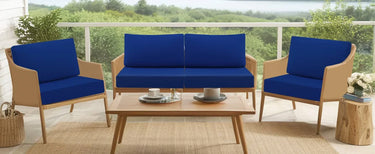
Your outdoor furniture has seen better days — but before you haul that beloved patio set to the curb, consider this: the frames are almost certainly fine. It's the cushions that take the beating. Sun, rain, humidity, and everyday use wear down foam and fabric long before the structural components give out. Replacing your outdoor cushions is a smart, cost-effective way to breathe new life into your patio, deck, or garden seating — often at a fraction of the cost of buying entirely new furniture.
Beyond saving money, choosing replacement cushions is also a more sustainable choice. Keeping functional frames out of landfills and simply refreshing the soft goods reduces waste and extends the useful life of quality outdoor furniture by many years. Whether you're restoring a classic wrought-iron bench or updating a modern sectional, the right replacement cushions can transform your outdoor space.
This comprehensive guide walks you through everything you need to know — from measuring and materials to weather resistance and styling — so you can make a confident purchase that lasts.
When to Replace Your Outdoor Cushions
Outdoor cushions don't last forever, but many homeowners hold on to them longer than they should. Recognizing the signs of wear helps you time your replacement for maximum comfort and aesthetics.
Signs It's Time for New Cushions
- Visible fading: UV exposure breaks down fabric dyes over time. If your once-vibrant cushions look washed out, the fabric's protective coatings have likely degraded as well.
- Permanent flattening: When cushion foam loses its resilience and no longer springs back after sitting, comfort is compromised and the foam's cell structure has broken down.
- Mildew or persistent odor: Dark spots, musty smells, or visible mold growth indicate moisture has penetrated the cushion core. Surface cleaning rarely solves this problem once it reaches the foam.
- Torn or fraying covers: Ripped seams, torn fabric, or unraveling edges expose the inner foam to accelerated deterioration from sun and water.
- Staining that won't clean: Ground-in dirt, sunscreen, food, and pollen can permanently discolor fabric, especially lower-quality materials without stain-resistant treatments.
- Uneven support: If one side of a cushion feels noticeably different from the other, the internal foam has broken down unevenly — a common sign of age.
How Long Should Outdoor Cushions Last?
The typical lifespan of outdoor cushions ranges from 2 to 5 years, depending on several factors:
- Material quality: High-density foam with solution-dyed fabric can last 4–5 years or more. Budget cushions with basic polyester may show wear within 1–2 seasons.
- Climate and exposure: Cushions in full sun, high humidity, or coastal environments degrade faster than those in covered or shaded areas.
- Usage frequency: Daily-use dining chairs wear out faster than occasionally used lounge cushions.
- Maintenance habits: Regular cleaning, proper storage during off-seasons, and use of furniture covers can significantly extend cushion life.
How to Measure for Replacement Cushions
Getting the right measurements is the single most important step when buying replacement cushions. An ill-fitting cushion looks awkward, shifts during use, and wears unevenly. Here's how to measure accurately for the most common cushion types.
General Measuring Tips
- Always measure the furniture frame, not the old cushion. Cushions stretch and deform over time, making them unreliable references.
- Use a metal tape measure rather than a cloth one for accuracy.
- Measure in inches, and round to the nearest half-inch.
- If your furniture has any curvature or contouring, note this — it affects how the cushion sits.
Seat Cushions
- Width: Measure the front edge of the seat from left to right. If the seat tapers toward the back, measure the back edge too.
- Depth: Measure from the front edge of the seat to the back, where the cushion meets the backrest.
- Thickness: Most standard outdoor seat cushions are 2–5 inches thick. Choose based on comfort preference and the seat frame height.
Back Cushions
- Width: Measure the width of the backrest area.
- Height: Measure from the seat surface (or the top of the seat cushion) to the desired height on the backrest.
- Thickness: Back cushions are typically thinner than seat cushions — usually 2–4 inches.
Bench Cushions
- Length: Measure the full length of the bench from end to end.
- Depth: Measure from front to back.
- Account for armrests: If your bench has armrests, measure the usable seating space between them, not the overall bench width.
Accounting for Chair Curvature
Many outdoor chairs have contoured or curved seats. For these:
- Lay the tape measure flat along the surface contour, not stretched in a straight line across the top.
- Note whether the curve is gentle or pronounced — this affects how a flat cushion will sit.
- Consider cushions with ties or straps to keep them in place on curved surfaces.
Materials That Matter
The materials used in your outdoor cushions determine their comfort, durability, and weather resistance. Understanding the options helps you make the right trade-off between performance and budget.
Fabric Types
Polyester: The most common outdoor cushion fabric. Modern outdoor polyester is treated for water and UV resistance. It's affordable, widely available in many colors and patterns, and easy to clean. Solution-dyed polyester (where color is added during fiber manufacturing rather than applied afterward) offers significantly better fade resistance.
Sunbrella (Acrylic): Considered the gold standard for outdoor fabrics. Sunbrella and similar solution-dyed acrylic fabrics offer exceptional UV resistance, water repellency, and color retention. They carry a premium price but typically last 5–10 years in outdoor conditions.
Olefin (Polypropylene): Naturally resistant to moisture, mildew, and staining. Olefin is lightweight and dries quickly. It's often used in commercial outdoor settings. However, it can be less soft to the touch than polyester or acrylic options.
Foam and Fill Types
Polyurethane foam: Standard cushion foam that provides good comfort and support. Density matters — look for foam rated at 1.8 lb/ft³ or higher for outdoor use.
High-density foam: Firmer and more durable than standard polyurethane. Resists compression and maintains shape longer. Ideal for dining chairs and benches that see heavy use.
Poly-fill (Polyester fiberfill): Soft, pillow-like fill often used in back cushions. Dries faster than foam but provides less structured support. Sometimes used as a foam wrap for a softer feel.
Quick-dry foam: Open-cell or reticulated foam designed to allow water to drain through rather than absorbing it. Essential for uncovered outdoor furniture in rainy climates.
Material Comparison
| Feature | Polyester | Sunbrella (Acrylic) | Olefin |
|---|---|---|---|
| UV Resistance | Good (solution-dyed: Very Good) | Excellent | Very Good |
| Water Resistance | Good (with treatment) | Excellent | Excellent |
| Softness | Very Good | Good | Moderate |
| Color Retention | Good | Excellent | Very Good |
| Price Range | $–$$ | $$$–$$$$ | $$–$$$ |
| Typical Lifespan | 2–4 years | 5–10 years | 3–5 years |
| Mildew Resistance | Moderate | Excellent | Very Good |
| Ease of Cleaning | Easy | Easy | Very Easy |
Weather Resistance Features
Outdoor cushions face relentless environmental challenges. Understanding weather resistance terminology helps you evaluate products honestly and avoid marketing hype.
Water-Resistant vs. Waterproof
Water-resistant means the fabric repels light moisture and splashes. Water beads on the surface rather than soaking in immediately. Most quality outdoor cushion fabrics are water-resistant. However, prolonged exposure to rain or submersion will allow water to penetrate.
Waterproof means water cannot pass through the material under normal conditions. Fully waterproof cushion covers can trap moisture inside if water enters through seams or zippers, potentially creating mold issues. For outdoor cushions, water-resistant with good drainage is usually preferable to fully waterproof.
UV Protection and Fade Resistance
UV damage is the primary cause of cushion fabric deterioration. Look for:
- Solution-dyed fabrics: Color is embedded in the fiber during manufacturing, so fading occurs slowly and evenly rather than surface-peeling.
- UV stabilizers: Chemical additives that slow UV degradation. Most quality outdoor fabrics include these.
- UV rating or hours: Some manufacturers specify the number of UV exposure hours the fabric can withstand before noticeable fading — higher is better.
Mildew Prevention
Mildew thrives in warm, moist, dark environments — exactly the conditions found inside a wet outdoor cushion. Prevention strategies include:
- Antimicrobial fabric treatments that inhibit mold and mildew growth
- Quick-dry foam cores that don't retain moisture
- Mesh or drainage features on the cushion underside
- Removable, washable covers that allow the foam to air out
Evaluating Weather Resistance Claims
When shopping for outdoor cushions, look beyond vague marketing terms. Ask or check for:
- Specific fabric type and whether it's solution-dyed
- Foam type and whether it's open-cell or quick-dry
- Whether the covers are removable and machine-washable
- Warranty coverage for fading and weather-related damage
- Customer reviews from buyers in similar climates to yours
Cushion Types Explained
Different outdoor seating requires different cushion configurations. Here's a breakdown of the main types and when each is appropriate.
Seat Cushions
The most common type. Seat cushions sit on the chair frame and provide the primary sitting surface. Standard sizes include 16×16, 18×18, 20×20, and 21×21 inches. Thickness typically ranges from 2 to 5 inches. Most feature ties or Velcro straps to secure them to the chair frame.
Back Cushions
Designed to rest against the chair back for lumbar support and comfort. Usually sold separately from seat cushions (except in deep seat sets). Thinner than seat cushions and often contoured to follow the chair's backrest shape.
Bench Cushions
Long, narrow cushions designed for outdoor benches, swings, or storage benches. Standard lengths range from 36 to 60 inches, though custom sizes are common. Tufting or channel stitching helps maintain even fill distribution across the length.
Chaise Lounge Cushions
Full-length cushions for chaise lounges and sun loungers. Typically 72–80 inches long and 21–25 inches wide. Many feature a hinged or flexible design to accommodate the adjustable backrest on lounge chairs.
Deep Seat Cushion Sets
Paired seat and back cushion sets designed for deep-seated outdoor sofas, loveseats, and club chairs. The seat cushion is typically 24–25 inches deep (much deeper than a standard dining chair cushion), and the back cushion is taller and thicker for lounging comfort.
Style and Color Selection
Replacement cushions are one of the easiest and most impactful ways to update your outdoor space's look. The right colors and patterns can completely transform a patio without changing any furniture.
Choosing Colors That Complement Your Space
Consider these factors when selecting cushion colors:
- Furniture frame color: Dark frames (black, bronze, espresso) pair well with both bold and neutral cushion colors. Light frames (white, natural wood) look best with medium to dark cushions for contrast.
- Surrounding landscape: Greens and earth tones blend naturally with garden settings. Blues and aquas complement pool areas.
- Home exterior: Pull accent colors from your home's siding, trim, or front door for a cohesive look.
- Existing decor: If you have outdoor rugs, throw pillows, or planters, choose cushion colors that coordinate without matching exactly.
Solid vs. Patterned
Solid colors offer timeless versatility, are easier to mix and match, and generally show stains less than some patterns. They work well when your outdoor space already has visual complexity from plants, architecture, or decorative elements.
Patterned cushions (stripes, florals, geometrics) add visual interest and personality. They can hide stains and wear better than light solids. However, patterns can feel dated faster than solids and are harder to coordinate with other patterned elements.
Trending Outdoor Colors for 2026
- Warm terracotta and clay: Earthy, grounding tones that pair beautifully with natural wood furniture.
- Sage and olive green: Nature-inspired greens that blend seamlessly with garden settings.
- Soft navy and indigo: Sophisticated dark blues that resist showing dirt and pair with nearly any frame color.
- Warm whites and cream: Clean, modern looks — but require more frequent cleaning in outdoor environments.
- Sunset tones (burnt orange, dusty coral): Bold accent colors that energize outdoor spaces without overwhelming them.
Color and Maintenance
Some practical considerations when choosing colors:
- Dark colors show less dirt and staining but can absorb more heat, making them warmer to sit on in direct sun.
- Light colors stay cooler but show stains, pollen, and general soiling more readily.
- Medium tones (navy, forest green, burgundy, gray) offer the best balance of heat management and stain concealment.
- Patterned fabrics with multiple colors tend to hide wear and staining better than single-color options.
Care and Maintenance
Proper care dramatically extends the life of your outdoor cushions. A little regular maintenance goes a long way.
Routine Cleaning
- Weekly brushing: Use a soft brush to remove loose dirt, pollen, and debris. This prevents particles from embedding in the fabric.
- Monthly wipe-down: Mix mild soap (dish soap works well) with lukewarm water. Wipe cushion surfaces with a soft cloth or sponge, then rinse thoroughly with clean water.
- Spot cleaning: Address spills and stains immediately. Blot (don't rub) the area with a clean, damp cloth. For stubborn stains, use a solution of 1/4 cup mild soap per gallon of water, apply with a soft brush, and rinse completely.
Machine Washing
If your cushion covers are removable and labeled machine-washable:
- Use cold or lukewarm water on a gentle cycle
- Use mild detergent — avoid bleach unless the care label specifically allows it
- Air dry completely before reassembling — machine drying can shrink covers and damage waterproof coatings
- Wash covers periodically even if they don't look dirty to prevent buildup of invisible mold spores
Seasonal Storage
If you experience cold winters or extended rainy seasons:
- Clean cushions thoroughly before storing — any trapped moisture or dirt will cause mildew during storage.
- Dry completely — even slightly damp cushions will develop mold in storage.
- Store in a cool, dry, ventilated area such as a garage, basement, or indoor closet. Avoid airtight plastic bags, which trap moisture.
- Store upright or flat — don't stack heavy items on top of cushions, which can permanently compress the foam.
- Use breathable storage bags or large cotton sheets to protect against dust while allowing air circulation.
Extending Cushion Lifespan
- Rotate and flip cushions periodically to distribute wear and sun exposure evenly.
- Use furniture covers when furniture is not in use, especially overnight and during rain.
- Stand cushions on edge after rain to allow water to drain and air to circulate.
- Bring cushions inside during severe weather events — high winds, hail, and driving rain can cause damage that normal weather doesn't.
- Keep away from fire pits and grills — sparks and smoke accelerate fabric deterioration.
Idee-Home Outdoor Cushion Collection
At Idee-Home, we design outdoor replacement cushions that combine durability, comfort, and style. Our collection addresses the most common frustrations homeowners face with outdoor cushions — fading, moisture damage, and difficult sizing.
What Sets Idee-Home Cushions Apart
- 300GSM high-density fabric: Our cushions use a premium 300GSM polyester fabric that's denser and more durable than the industry standard, providing better resistance to wear, tearing, and pilling.
- Water-resistant construction: Treated to repel water and resist moisture penetration, keeping the cushion core dry and mildew-free longer.
- UV-resistant coloring: Solution-dyed fibers retain their color season after season, even in full-sun exposure.
- Machine-washable covers: Removable covers that go right in the washing machine for easy, thorough cleaning.
- 30+ color options: From classic neutrals to trending accent colors, our range ensures you'll find the perfect match for your outdoor space.
- Multiple size options: Available in standard and common custom sizes to fit the most popular outdoor furniture brands.
Browse our full collection:
Frequently Asked Questions
How do I know what size replacement cushion I need?
Always measure your furniture frame rather than your old cushion, which may have stretched or compressed over time. Measure the width (left to right), depth (front to back), and note the desired thickness. If your furniture has a curved or tapered seat, measure both the front and back widths. Most product listings include detailed size charts — compare your measurements carefully before ordering.
Can I use indoor cushions outdoors?
It's not recommended. Indoor cushions typically use fabrics and foams that aren't treated for UV exposure, moisture, or mildew resistance. They'll fade rapidly, absorb water, and develop mold quickly when exposed to outdoor conditions. Always choose cushions specifically designed and rated for outdoor use.
How often should I clean my outdoor cushions?
Give cushions a quick brush-off weekly to remove surface debris. Do a more thorough cleaning with mild soap and water monthly during the outdoor season. Spot-clean spills immediately. Deep clean or machine wash removable covers at least twice per season — once at the beginning and once at the end before storage.
What's the best cushion material for rainy climates?
For areas with frequent rain, prioritize quick-dry foam cores and solution-dyed polyester or acrylic fabric covers. Quick-dry foam allows water to drain through rather than being absorbed, and treated fabrics repel surface moisture. Also look for cushions with drainage features on the underside, and consider storing cushions under cover when not in use.
Do outdoor cushion ties really matter?
Yes. Ties, straps, or Velcro attachments keep cushions securely on the furniture frame during wind and regular use. Without them, cushions shift, slide, and can blow off entirely. This uneven positioning also causes uneven wear. Always look for cushions with attachment mechanisms that match your furniture's tie-down points.
Are expensive outdoor cushions worth the investment?
Generally, yes — when it comes to outdoor cushions, you get what you pay for. Higher-priced cushions typically use better foam (higher density, better resilience), superior fabrics (solution-dyed, higher UV ratings), and better construction (reinforced seams, quality zippers). A $60 cushion that lasts 4–5 years costs less per season than a $25 cushion that needs replacing every year or two.
Can I leave outdoor cushions outside all year?
While quality outdoor cushions are designed to withstand the elements, leaving them out year-round — especially through winter — will significantly shorten their lifespan. UV, moisture, and temperature extremes all cause cumulative damage. If you can't store cushions indoors during the off-season, at minimum use protective furniture covers and stand cushions on edge during rain to promote drainage and drying.
How do I prevent my outdoor cushions from blowing away?
Use cushions with built-in ties or straps that attach to your furniture frame. For furniture without tie-down points, consider non-slip grip pads between the cushion and seat surface. In particularly windy areas, weighted cushions or clips designed for outdoor furniture can help. During severe wind events, it's best to bring cushions inside.
Making Your Decision
Choosing the right outdoor replacement cushions comes down to three core decisions: getting the measurements right, selecting materials that match your climate and usage patterns, and picking a style that enhances your outdoor space.
Take the time to measure carefully, prioritize weather-resistant materials that match your specific conditions, and don't underestimate the impact of proper care and maintenance. Quality replacement cushions are an investment that pays off in years of outdoor comfort.
Ready to refresh your outdoor space? Explore the Idee-Home outdoor cushion collection and find the perfect fit for your patio furniture.